If you live in the Greater Houston area, mosquitoes are more than a backyard nuisance — they’re a genuine public health concern. Houston’s warm climate, high humidity, and frequent rainfall create near-perfect breeding conditions for mosquitoes nearly year-round. And many of the species thriving in Harris County and surrounding areas are capable of transmitting serious, sometimes life-threatening diseases to humans and pets.
Here’s what every Houston homeowner needs to know about the diseases local mosquitoes carry — and what you can do to protect your family.
Which Mosquito Species Live in Houston?
Before diving into disease risk, it helps to know your enemy. The Houston area is home to several mosquito species, but two are responsible for most disease transmission:
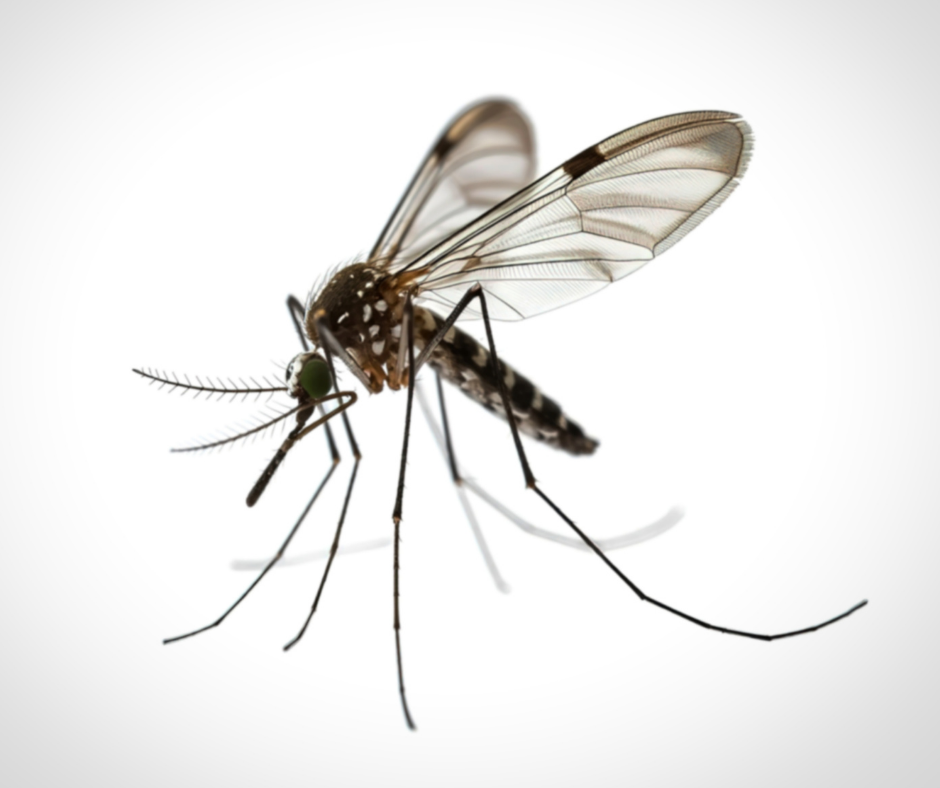
- Aedes aegypti – A small, dark mosquito with white markings that bites aggressively during the day. It’s the primary carrier of dengue, Zika, chikungunya, and yellow fever.
- Culex quinquefasciatus – The Southern house mosquito, most active at dusk and dawn. It’s the main vector for West Nile virus and St. Louis encephalitis in Texas.
Both species breed in standing water — even small amounts collected in a bottle cap, a clogged gutter, or a decorative pot can produce hundreds of mosquitoes within days.
West Nile Virus
West Nile virus is the most commonly reported mosquito-borne disease in Texas, and Harris County consistently ranks among the highest-risk counties in the state.
Transmitted by infected Culex mosquitoes, West Nile virus is primarily spread when a mosquito feeds on an infected bird and then bites a human. Most people who contract it — about 80% — experience no symptoms at all. But roughly 1 in 5 will develop West Nile fever, which causes headache, body aches, joint pain, vomiting, and rash.
The most serious concern is West Nile neuroinvasive disease, which affects the brain and spinal cord. This form can cause meningitis, encephalitis, or acute paralysis, and it can be fatal —  particularly in older adults and people with weakened immune systems. There is currently no vaccine or specific antiviral treatment for West Nile virus in humans.
West Nile season in Houston typically peaks between July and October, coinciding with late summer heat and peak mosquito activity.
Dengue Fever
Dengue is caused by four related viruses and is transmitted by the Aedes aegypti mosquito — the same species that thrives in Houston’s urban and suburban neighborhoods. While dengue is most commonly associated with international travel, local transmission has been documented in South Texas, and the mosquito species responsible is abundant throughout the Houston metro.
Symptoms include sudden high fever, severe headaches, pain behind the eyes, muscle and joint pain (sometimes called “breakbone fever”), and rash. Most people recover within a week or two, but severe dengue — also known as dengue hemorrhagic fever — can cause dangerous bleeding, organ failure, and death.
There is no specific treatment for dengue. As travel increases and climate patterns shift, Houston’s risk for local dengue transmission is considered to be growing.
Zika Virus
Zika gained widespread attention in 2015–2016 when an outbreak in Latin America was linked to severe birth defects, particularly microcephaly — abnormal brain development in newborns. The virus is primarily transmitted by Aedes aegypti mosquitoes, which are prevalent in the Houston area.
For most healthy adults, Zika causes mild symptoms or none at all: low fever, rash, joint pain, and red eyes. But for pregnant women, Zika poses a critical risk. The virus can pass from mother to fetus and cause devastating neurological damage. Zika can also be transmitted sexually.
Local Zika transmission has occurred in Texas, and Houston-area health authorities monitor for it closely. Pregnant women and women planning to become pregnant should take mosquito protection especially seriously.
Chikungunya
Chikungunya is another Aedes-transmitted virus that has steadily expanded its reach into the southern United States. While most cases in Texas have been travel-related, local transmission is considered a real risk given the abundance of the Aedes aegypti mosquito in Houston.
The disease causes fever and severe joint pain — so debilitating that the name “chikungunya” means “to become contorted” in the Makonde language. Joint pain can persist for months or even years after the initial infection, significantly impacting quality of life. There is no vaccine or specific treatment.
St. Louis Encephalitis
St. Louis encephalitis (SLE) is a viral brain infection transmitted by Culex mosquitoes. It’s named after a 1933 outbreak in Missouri but has been documented throughout Texas and the Gulf Coast region for decades.
Most infections are mild or asymptomatic. However, in elderly individuals, SLE can cause severe inflammation of the brain (encephalitis), leading to headache, high fever, stiff neck, disorientation, and in serious cases, coma or death. There is no vaccine for SLE in humans.
Heartworm in Pets
Mosquitoes don’t just threaten humans. Heartworm disease — a serious, potentially fatal condition — is transmitted to dogs and cats through mosquito bites. Houston’s environment makes heartworm one of the most common preventable pet diseases in the region. Larvae deposited by an infected mosquito migrate to the heart and lungs, where they can grow into foot-long worms and cause severe damage over time. Veterinarians in the Houston area strongly recommend year-round heartworm prevention for all pets.
How to Protect Your Houston Family from Mosquito-Borne Diseases
Understanding the risks is the first step. Taking action is what keeps your family safe.
Personal protection measures include:
- Wearing EPA-registered repellents containing DEET, picaridin, or oil of lemon eucalyptus
- Wearing long sleeves and pants during peak mosquito hours
- Eliminating standing water around your property every few days
- Keeping window and door screens in good repair
For whole-yard protection, a professionally installed mosquito misting system is one of the most effective long-term solutions available. Automatic misting systems disperse pyrethrin-based solutions — derived from chrysanthemum flowers — on a programmable schedule, creating a continuous barrier that kills mosquitoes before they ever reach your family.
The Bottom Line
Houston mosquitoes carry real, documented diseases — from the well-known threat of West Nile virus to the growing risks of dengue and Zika. With mosquito season stretching nearly year-round in Southeast Texas, passive protection isn’t enough.
At Crusader Mosquito Control, we’ve been helping Greater Houston families reclaim their backyards since 1983. As an authorized MistAway® dealer, we design, install, and service automatic mosquito misting systems with no contracts and no hassle — just effective, lasting protection for your family and pets.
Call us today at 713-305-7937 for a free estimate. Because in Houston, mosquito control isn’t a luxury — it’s a necessity.